Robert “Harper” Foley lived in more places before turning 19 than many people experience in decades, but through every military move, three things remained constant: family, soccer and a deep connection to Brent, Alabama. The University of Alabama student died on August 23, 2026, following what his obituary describes as a brief illness. His death came unexpectedly, leaving his parents, two brothers, extended family, Kappa Sigma fraternity brothers, former soccer teammates and friends across several states mourning his loss. While interest in the Harper Foley cause of death has grown following his passing, no specific diagnosis has been made public. His story, however, extends far beyond the unanswered medical questions surrounding his final days.
Robert “Harper” Foley, 19, died on August 23, 2026, following a brief illness. No specific disease or medical condition has been publicly disclosed. A Dallas resident and 2025 Lansing High School graduate, Harper was attending the University of Alabama in Tuscaloosa and had joined the Beta Chapter of Kappa Sigma Fraternity.
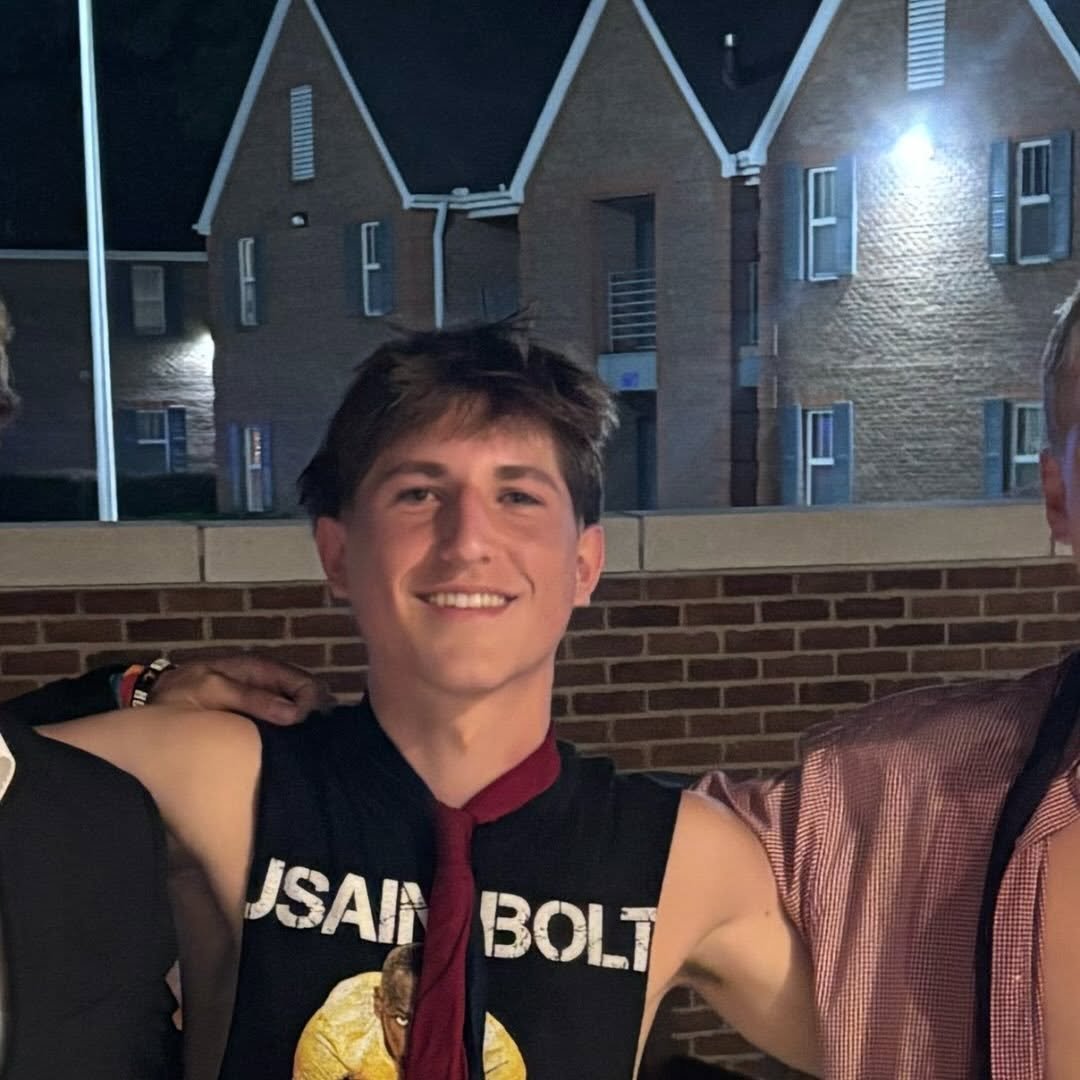
What Was Harper Foley’s Cause of Death?
The Harper Foley cause of death has been described publicly as a brief illness.
No further medical explanation has been released.
That means there is currently no reliable basis to identify a particular disease, infection or other medical condition as the underlying cause.
Harper’s mother, Claire White Foley, described the family’s experience as the “unexpected and unimaginable loss” of their precious Harper.
She called him their “middle man” and “the glue that held us together.”
Her words offer important context. Although Harper had experienced a health issue, his death was still a profound and unexpected shock to those closest to him.
Until the family chooses to disclose additional information, “following a brief illness” remains the most accurate description of the circumstances surrounding his death.
Who Was Robert “Harper” Foley?
Harper’s 19 years were shaped by movement.
Born in Kansas City, Kansas, on May 18, 2007, he was the son of retired U.S. Army Brigadier General David Clifford Foley and Claire White Foley.
He was only about three weeks old when his family moved to Fort Campbell, Kentucky.
That was the beginning of a childhood spent experiencing different parts of the United States as his father’s Army career took the family from one assignment to another.
For some children, moving repeatedly can make it difficult to establish a sense of home.
Harper appears to have created his own version of it.
He found home in people, traditions and activities that travelled with him.
Growing Up as a Military Child
Harper experienced life around several major military communities.
He spent time near the nation’s capital and at Fort Hood in Texas before living at Carlisle Barracks in Pennsylvania.
Family memories from Carlisle included playing outside in an area known as the “dog bowl.”
Then came Joint Base Lewis-McChord in Washington state.
Against the backdrop of Mount Rainier, Harper played manhunt and built igloos — childhood experiences very different from those awaiting him at the family’s next destination.
In Tampa, Florida, water replaced snow.
Harper quickly became comfortable around the bay, where fishing, boating and wakeboarding became some of his favourite activities.
His family recalled that he began making friends on the fishing pier at MacDill Air Force Base before their moving boxes had even been unpacked.
That detail captures something important about Harper: he learned how to enter unfamiliar places and make them feel familiar.
Soccer Was the Constant Through Every Move
If military life kept changing Harper’s address, soccer gave him continuity.
He started playing when he was approximately three years old.
Every relocation meant a different community, school and group of friends, but the soccer field remained recognisable.
It became an anchor.
Harper played with clubs including TC United, Tampa Bay United, Clarksville Soccer Club, Tampa Raiders and Toca FC.
The sport also introduced him to coaches and teammates who became important figures throughout his childhood.
Eventually, his journey brought him back to Kansas, the state where he had been born.
He graduated from Lansing High School in 2025 and played for the Lansing Lions.
The significance of those soccer relationships can be seen in his funeral arrangements: his Lansing Lions teammates and players from his former club teams were named honorary pallbearers.
They represented friendships built across years and across states.
Why Brent, Alabama, Meant So Much to Harper
Harper moved frequently, but there was one place where his family roots did not move.
Brent, Alabama.
His maternal grandparents, Judge James Mordecai White and Katherine Moseley White, lived there, and their home became a place of consistency for Harper and his brothers.
It was where cousins reunited.
It was where children rode around in their grandfather’s Kubota, went target shooting with their grandmother, fished, swam and spent long stretches of time together.
It was also where Harper developed his affection for the Alabama Crimson Tide.
In a childhood defined by Army assignments and moving boxes, Brent represented permanence.
That helps explain why his final services were held there.
It was not simply the location of extended family.
It was one of the places Harper considered home.
From Loving the Crimson Tide to Attending Alabama
After David Foley retired from military service, the family eventually settled in Dallas, Texas.
For Harper, another major transition soon followed.
This time he was not moving because of a military assignment.
He was leaving home for college.
Harper enrolled at the University of Alabama in Tuscaloosa.
The move carried special meaning for someone whose Alabama connections had been built through childhood visits to Brent and a family love for the Crimson Tide.
At Alabama, Harper also pledged the Beta Chapter of Kappa Sigma Fraternity.
Once again, he found community in a new environment.
His obituary says he quickly developed a home and lasting bond within the fraternity.
That brotherhood became especially visible after his death.
Several of Harper’s fraternity brothers and roommates were selected to carry him as pallbearers.
The People Chosen to Carry Harper Tell His Story
One of the most meaningful details in Harper’s obituary is the list of people chosen as pallbearers.
Taken together, they form a portrait of his life.
His brothers, Price and Gates Foley, represented the immediate family at the centre of his world.
His cousins — Sam White, Trey White, Will Edwards and Connor Foley — represented the extended family relationships connected with years of shared childhood experiences.
His fraternity brothers and roommates — Mason Owens, Erik Einarson, John Patty and Robert Leach II — represented the newest chapter of his life at the University of Alabama.
Then came the honorary pallbearers.
They included the brothers of Kappa Sigma’s Beta Chapter and Harper’s former soccer teammates.
Family.
Childhood.
Soccer.
College.
Fraternity.
Those were separate chapters of Harper’s life, but they came together for his final farewell.
Harper Was the Foley Family’s “Middle Man”
Harper was the middle of three brothers.
His older brother, Franklin Price Foley, 21, is a senior at the University of Alabama.
His younger brother, Alexander Gates Foley, 16, attends Highland Park High School in Dallas.
Claire Foley’s description of Harper as the family’s “middle man” therefore carried both a literal and emotional meaning.
But her next description said even more.
She called him “the glue that held us together.”
For a family that had moved repeatedly during years of military service, those words suggest the role Harper played within the relationships around him.
The Foley family said the love and support received after his death had already wrapped around them as they tried to process a loss for which they had few words.
A Family With Generations of Military Service
Harper’s childhood was closely connected to the U.S. Army.
His father, David Clifford Foley, retired as a brigadier general.
His paternal grandfather, Robert Franklin Foley, retired as a lieutenant general.
Harper therefore grew up not simply moving between cities but within the distinctive culture of a military family.
Military children often have to say goodbye repeatedly — to houses, schools, teams and friends.
Harper’s life story shows the other side of that experience.
Every move also brought another community.
By the time of his death, people connected to him stretched from Kansas and Texas to Florida, Alabama and beyond.
Harper Foley’s Death Was Unexpected
Questions about the Harper Foley cause of death are understandable because he was only 19.
However, his family has not released a specific diagnosis.
The information made public says that he died following a brief illness.
There is also no indication in the information released by his family that his death resulted from an accident or any other external event.
A brief illness can encompass many different medical circumstances, and assigning a particular condition without evidence would be speculation.
The family’s decision not to provide further medical details should therefore be respected.
What they have chosen to share instead is the story of the life preceding those final days.
Funeral Service Brings Harper Back to Brent
Harper’s Celebration of Life was scheduled for Saturday, August 29, 2026, in the Alabama community that had remained part of his life regardless of where his family was stationed.
Visitation was held from 10 a.m. until 11 a.m. at Brent Baptist Church.
A Celebration of Life followed at 11 a.m., officiated by the Reverend Dr. Jim Smith.
Burial followed at Brent City Cemetery.
The decision brought Harper back to the community associated with his maternal grandparents and many of his most treasured family memories.
For a young man who spent his childhood travelling, his final resting place is rooted in a place that had long represented stability and family.
Remembering Harper Through the Places He Called Home
There is no single city that completely explains Harper Foley.
Kansas was where he was born and later graduated from high school.
Kentucky was among his earliest homes.
Pennsylvania gave him childhood memories at Carlisle Barracks.
Washington gave him winters near Mount Rainier.
Florida gave him fishing, boating and warm days on the bay.
Texas became the place his family settled after military retirement.
Tuscaloosa became his college home.
And Brent remained the place where family history, grandparents, cousins and Alabama traditions came together.
The geography of Harper’s life is unusually broad for someone who lived only 19 years.
Yet the relationships formed across those places appear to have endured.
Frequently Asked Questions
What was Harper Foley’s cause of death?
Robert “Harper” Foley died following a brief illness on August 23, 2026. His family and obituary have not publicly identified the specific illness or medical diagnosis involved.
Who were Harper Foley’s parents?
Harper was the son of retired U.S. Army Brigadier General David Clifford Foley and Claire White Foley. He was the middle of their three sons, between older brother Franklin Price Foley and younger brother Alexander Gates Foley.
Was Harper Foley a University of Alabama student?
Yes. Harper attended the University of Alabama in Tuscaloosa after his family settled in Dallas. He also pledged the Beta Chapter of Kappa Sigma Fraternity.
Conclusion
Searching for the Harper Foley cause of death provides only a limited answer: the 19-year-old University of Alabama student died following a brief illness, and the precise medical condition has not been publicly disclosed.
Understanding who Harper was requires looking beyond that question.
He was a military child who learned to build friendships wherever his family landed. He was a soccer player who carried the sport from one state to another. He was a brother, son, grandson and cousin whose family considered him their “glue.” He was a Crimson Tide fan who eventually became a University of Alabama student and found another brotherhood in Kappa Sigma.
And despite a childhood spent moving across America, Harper always had a place waiting for him in Brent, Alabama.
That is where his family returned to celebrate his life — bringing together the many different communities that had become part of his remarkable 19-year journey.